Katalin Forrai’s Legacy
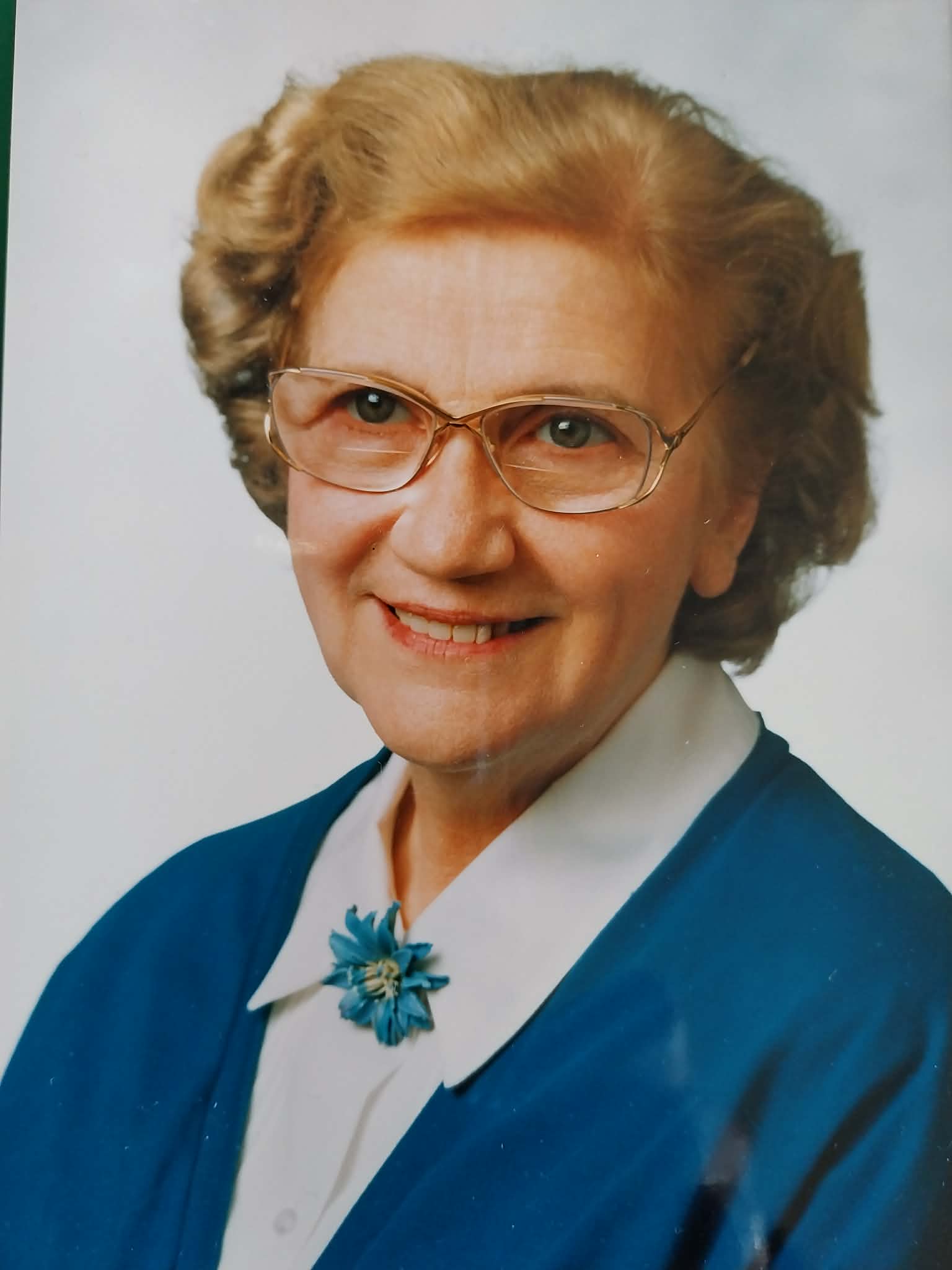
Katalin Forrai (1926–2004) came onto the early childhood education scene in Hungary as an inheritor of the already well-established Hungarian early childhood education system established in 1828 by Teréz Brunszvik after extensive study with Heinrich Pestalozzi in Switzerland.[1] What it lacked, however, was a well-organized strand for musical development. In 1951, Zoltán Kodály asked Katalin, an emerging educator of young children, to work with him on distilling a selection of language and music materials worthy of children from the massive collection of authentic folk-material he and Béla Bartók had collected. A keen observer of people and their potential, Kodály rightly discerned Katalin’s array of keen intellect, musicality, and interpersonal skills and set her to work on selecting Hungarian children’s rhymes, singing games, and songs for the national early childhood music curriculum. After listening to Katalin’s practical advice, he agreed that some composed music was needed to complement the 45 singing games they had decided upon. “So Kodály sent me to Sándor Weöres to ask him to write some nice texts for the ‘333 Reading Exercises’. That was a great task, because—I remember that I was very young—and I was shocked to have to go to Sándor Weöres, who was already an internationally well-known poet . . . For weeks and weeks, I went to their home—his wife was also a poet—and they helped me.”[2]
Those early events foreshadowed the greatness of Katalin Forrai, teacher of children, teacher of teachers, prolific author, global educational leader, and internationally renowned authority on early childhood music teaching. She was the author of 11 books (with a combined total of 28 editions!), President of the International Society for Music Education (ISME), Vice-President of the International Kodály Society, and leader of many Hungarian national curriculum and educational committees. Among her many creations, Ének az Óvodában (Music in Preschool) and her video series The Pedagogical Legacy of Zoltán Kodály attest to the breadth and depth of her contributions to the worldwide acceptance of the Kodály Concept.
[1] Szőnyi, E. dans Jacqueline Cornaz-Besson, « Pestalozzi, L’Enfant et la Musique », Cahier Numéro 3 des Quatrièmes Rencontres Pestalozzi de 10–11 mai 1985 (“Pestalozzi, the Child and Music,” in Notebook No. 3 of the Four Pestalozzi Encounters of May 10–11, 1985). Yverdon-les-Bains, Switzerland: Centre de Recherche et de Documentation Pestalozzi, p. 40.
[2] Interview in the form of a tape-recorded letter from Katalin Forrai to Jerry L. Jaccard dated 16 June 1994, npn.
Watch a brief video montage of Kati’s life and work
International Katalin Forrai Award (IKFA)
The purpose of the Award is to commemorate the worldwide contribution to the Music Education of young children made by Katalin Forrai during her lifetime. It is also to encourage, inspire and reward teachers in Early Years, Nursery and Kindergarten settings throughout the world who are contributing to her legacy through their work with children and teachers today.
List of Awardees
2013
Naomi Chinen (Japan)
Christiane Pineau (France)
2015
Dr. Ilona Gróh Gállné (Hungary)
Sr. Lorna Zemke (USA)
2017
Ewa Krzatala (Canada)
2019
Gail Godfrey (Australia)
2021
Anne Lindeberg-Piiroinen (Finland)
2023
Judith Johnson (Australia)
Dominika Lenska (Poland)
2025
Betsy McLaughlin Moll (USA)
Dr. James Cuskelly (Australia)
Zsuzsanna Hegedűsné Tóth (Hungary)
Read more about past awardees, writings, interviews, and other resources in the Member Area.